Professional Rafter Insulation Installation Between and Under Your Roof Structure
Professional Rafter Insulation (Between & Under) installation in Greater Manchester. Boost property value, reduce energy bills. Free survey available.
Professional Rafter Insulation Installation Between and Under Your Roof Structure
When converting your loft into valuable living space, proper thermal performance is essential for year-round comfort and building compliance. Our specialist team installs high-performance insulation systems between roof rafters and beneath them, creating warm, habitable rooms that meet modern energy efficiency standards. Serving homeowners across Greater Manchester, we combine our industry certification with deep local expertise in handling the unique challenges of period properties and contemporary builds alike. Whether you’re planning a loft conversion or upgrading an existing space, our comprehensive approach ensures optimal thermal performance, moisture control, and long-term reliability backed by our 25-year guarantee.
Creating Habitable Spaces Above
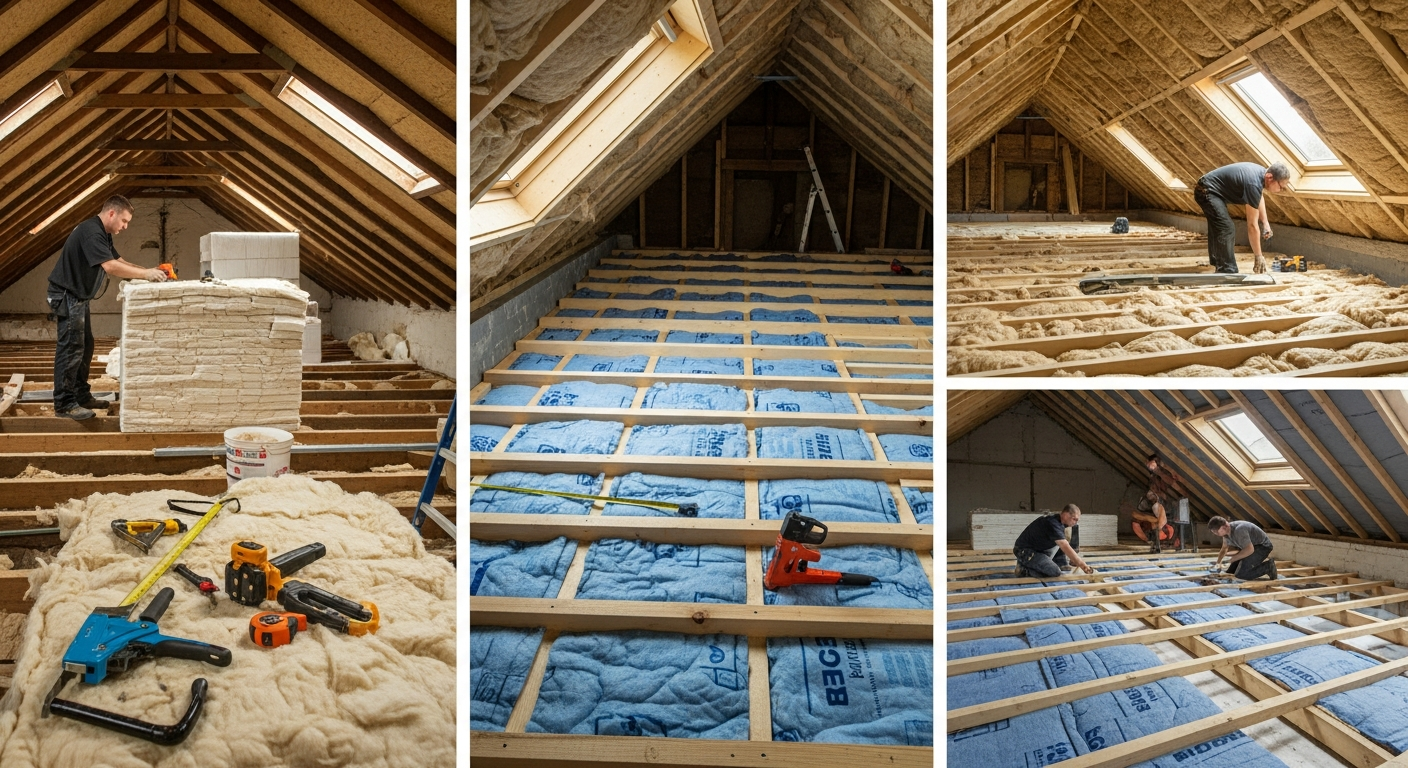
Installing insulation at rafter level transforms previously cold roof spaces into comfortable, energy-efficient rooms. This dual-layer approach involves fitting insulation materials between the wooden rafters themselves, then adding an additional insulating layer beneath the entire rafter structure. The method creates a continuous thermal envelope around your new living space whilst maintaining the structural integrity of your roof.
The process requires careful attention to ventilation pathways, vapour control, and thermal bridging prevention. Unlike simple loft floor insulation, rafter-level installation must account for the complex geometry of roof structures, ensuring every junction and penetration maintains thermal continuity. Our installers work methodically to create airtight seals whilst preserving essential roof ventilation, preventing condensation issues that plague poorly executed conversions.
Modern materials and techniques allow us to achieve excellent thermal performance even within the constraints of existing rafter depths. Where space permits, we often recommend hybrid approaches combining different insulation types to maximise efficiency whilst keeping costs proportionate to the benefits achieved.
Ideal Candidates for This Solution
Property owners planning loft conversions represent our primary client base, particularly those with traditional Manchester terraces, Victorian semis, and Edwardian houses where roof spaces offer genuine potential for additional living accommodation. These homes typically feature adequate head height and floor area but require comprehensive thermal upgrading to meet Building Regulations Part L requirements for habitable spaces.
Existing loft conversions often benefit from retrofitting when original insulation proves inadequate or has deteriorated over time. Many older conversions were completed before current thermal standards, leaving occupants with uncomfortable temperature extremes and elevated heating costs. Our upgrade approach can transform these spaces without major structural work.
Commercial property managers increasingly specify rafter insulation for roof-level offices, studios, and storage areas where maintaining consistent temperatures proves essential for operations or asset protection. The investment typically pays for itself through reduced heating and cooling costs whilst improving occupant comfort significantly.
From Survey to Completion
Our process begins with a comprehensive roof space assessment, examining structural timbers, existing ventilation arrangements, and identifying any moisture issues that require attention before insulation installation. We measure rafter depths, check for structural modifications needed, and assess access requirements for materials and equipment.
Preparation involves protecting existing finishes and establishing safe working platforms throughout the roof space. Where necessary, we install additional ventilation components or vapour barriers before beginning insulation work. All electrical cables receive appropriate protection and repositioning to maintain safe clearances.
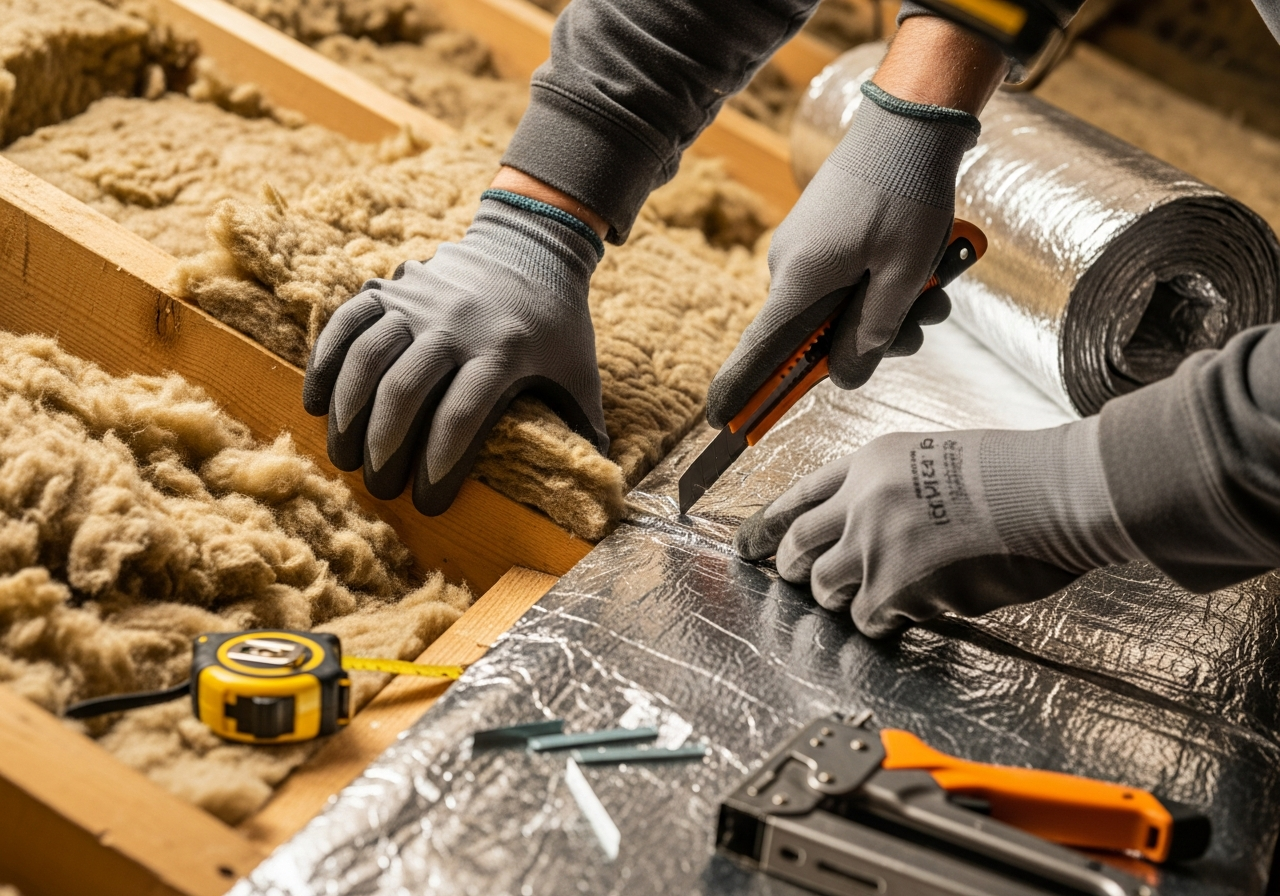
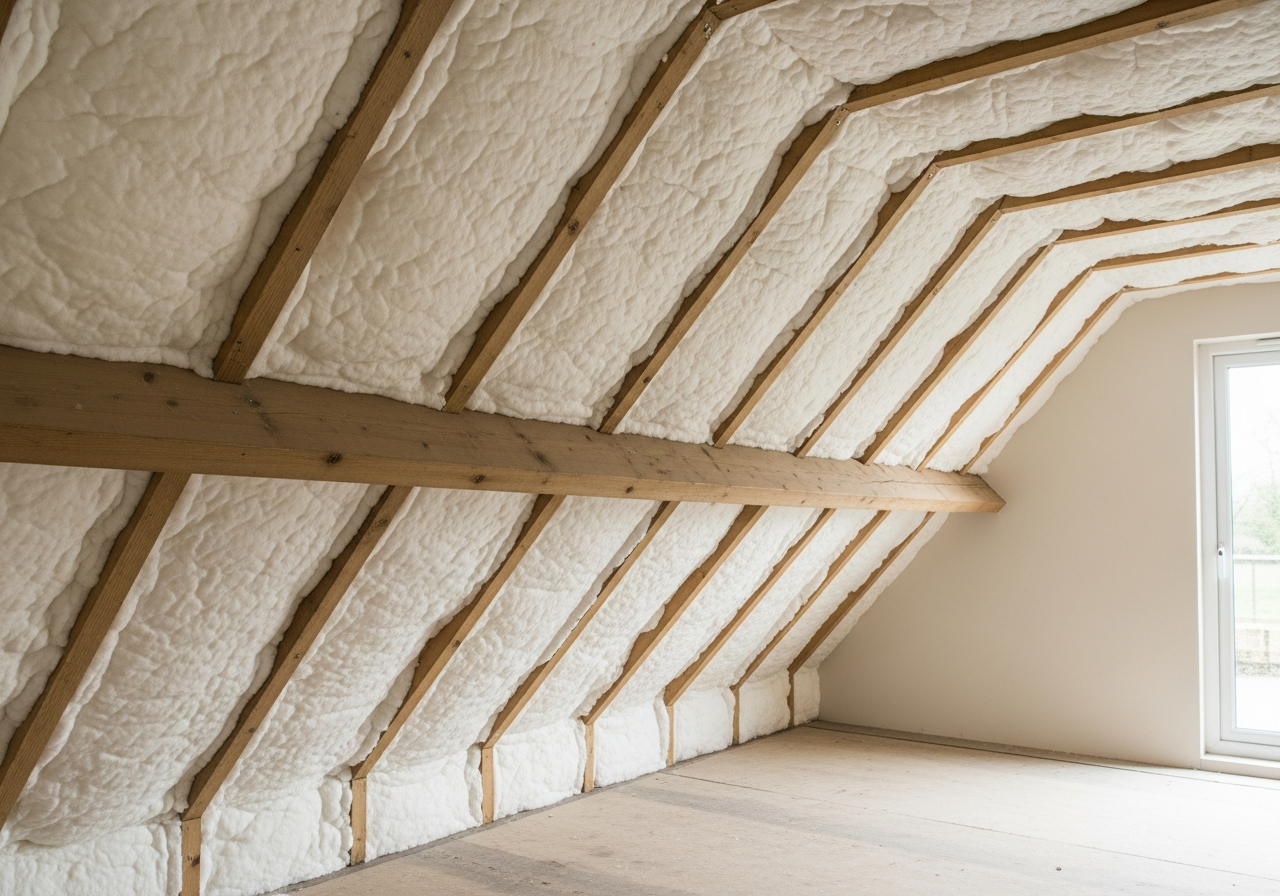
The installation phase starts with fitting insulation between rafters, ensuring tight fits without compression that would reduce thermal performance. We use specialised cutting techniques and fixings appropriate to each material type, whether mineral wool, polyurethane boards, or natural fibre products.
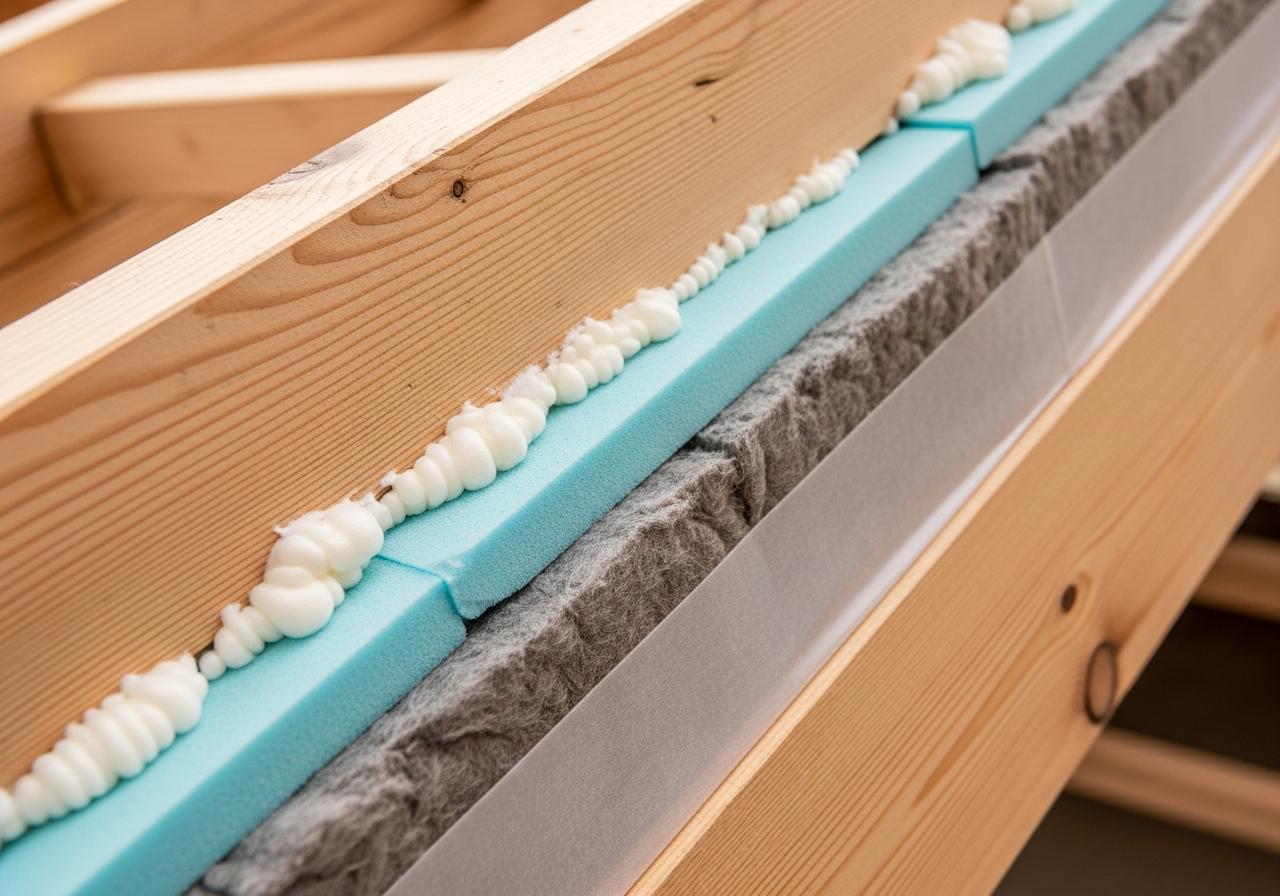
Beneath the rafters, we install continuous insulation layers, carefully sealing all joints and penetrations to prevent thermal bridging. This under-rafter layer proves crucial for achieving the thermal performance levels required by modern standards whilst accommodating services like lighting and ventilation equipment.
Quality control checks verify thermal continuity, airtightness, and proper vapour barrier installation before any finishing work commences. We conduct thermal imaging surveys where appropriate, ensuring the completed installation performs as designed.
Final documentation includes certification for Building Control approval, warranty registration, and maintenance guidance for long-term performance preservation.
The Real-World Impact
Thermal comfort improvements prove immediately apparent, with previously unusable roof spaces maintaining comfortable temperatures year-round without excessive heating costs. Many clients report dramatic reductions in energy bills, particularly during winter months when poorly insulated roof spaces lose substantial heat.
Property value increases often exceed installation costs, especially where the work enables loft conversion completion or significantly improves existing converted spaces. Estate agents regularly cite good thermal performance as a key selling point for roof-level accommodation.
Building Regulations compliance opens possibilities for rental income or multi-generational living arrangements that weren’t viable with inadequately insulated spaces. The enhanced thermal envelope also reduces the property’s overall carbon footprint, supporting environmental objectives alongside financial benefits.
Moisture control improvements protect structural timbers and prevent the condensation issues that can lead to mould growth and decoration damage. Properly installed systems include appropriate vapour barriers and maintain ventilation pathways essential for long-term building health.
Investment and Timeline Considerations
Costs typically range from £45-85 per square metre depending on insulation type, access complexity, and existing roof structure condition. Properties requiring additional ventilation work or structural modifications may see costs towards the higher end of this range. Most residential loft spaces require £2,500-6,500 investment for comprehensive rafter insulation installation.
Installation timelines vary with project scope, but most residential jobs complete within 3-5 working days once materials arrive on site. Complex layouts or challenging access may extend this period, whilst straightforward installations in newer properties often complete more quickly.
Our initial survey identifies all cost factors upfront, including any preparatory work needed for optimal results. This comprehensive approach prevents unexpected expenses and ensures the final installation meets all performance requirements first time. ECO scheme funding may be available for eligible properties, and our team provides complete guidance on application processes and requirements.
Material selection significantly impacts both cost and performance, with options ranging from cost-effective mineral wool through to premium natural fibre products offering enhanced environmental credentials. We explain the practical differences between options, helping you choose materials that deliver the best value for your specific requirements and budget.
How It Works
From initial survey to completion — here’s what to expect when you work with us.
-
Free Survey
Our certified surveyor visits your property to assess insulation needs and provide expert recommendations
-
Detailed Quote
We provide a comprehensive written quote with no hidden costs and explain all available grants and funding options
-
Professional Installation
Our experienced team installs your insulation to the highest standards using premium materials and proper techniques
-
Quality Assurance
We complete thorough checks and provide certification with your 25-year guarantee for complete peace of mind
Related Guides
Helpful articles to learn more about this service.
What Our Customers Say
Trusted by homeowners across Greater Manchester — here's what they have to say.
"Replace this with a genuine customer review. Brilliant service from start to finish — professional, tidy, and explained everything clearly."
"Replace this with a genuine customer review. Had spray foam removed and mineral wool installed. Thoroughly impressed with the quality of work."
"Replace this with a genuine customer review. Diagnosed the problem quickly and the house is noticeably warmer. Highly recommended."
Frequently Asked Questions
The under-rafter insulation layer typically reduces ceiling height by 100-150mm depending on the thickness required to meet thermal standards. However, modern slim-profile materials can minimise this impact whilst maintaining excellent thermal performance. We calculate the optimal balance between thermal efficiency and headroom retention during our survey, ensuring comfortable ceiling heights throughout the converted space.
Proper vapour barrier installation and maintained ventilation pathways prevent moisture accumulation within the roof structure. We install breathable membranes on the cold side of insulation whilst ensuring vapour barriers on the warm side prevent humid internal air reaching cold surfaces. Continuous ventilation from eaves to ridge maintains airflow that removes any moisture that does penetrate the system.
Yes, we work with all traditional Manchester roofing materials including slate, clay tiles, and concrete tiles. The installation method adapts to accommodate different roof coverings and their specific ventilation requirements. Slate roofs often require particular attention to ventilation pathways, whilst concrete tiles may need additional weatherproofing considerations during installation.
Building Regulations Part L typically requires U-values of 0.16 W/m²K or better for roof elements in habitable spaces. This usually means total insulation thickness of 250-300mm, achieved through the combination of between-rafter and under-rafter layers. Our calculations account for thermal bridging through timber rafters, ensuring the overall thermal performance meets or exceeds regulatory requirements.
High-quality rafter insulation installations should perform effectively for 25-40 years when properly installed and maintained. Our comprehensive guarantee covers performance for 25 years, reflecting our confidence in materials and installation quality. Regular roof maintenance and prompt attention to any leaks helps preserve insulation performance throughout its design life, protecting your investment long-term. Ready to transform your loft space with professional rafter insulation? Our team certified team provides free, no-obligation surveys throughout Greater Manchester, delivering detailed assessments and transparent quotations for your project. Call us today to discuss your requirements and discover how our expertise can unlock your property's potential whilst reducing energy costs for decades to come.
Ready to Reduce Your Energy Bills?
Contact our certified insulation experts for a free survey and quote. Improve your home's energy efficiency today with professional loft and cavity wall insulation services.